Grazie per aver contattato il rappresentante del casinò. Tuttavia, devo rispettosamente dissentire dall'interpretazione secondo cui il termine 'il prima possibile' possa estendersi fino a 8 giorni nel caso di una dichiarata dipendenza dal gioco.
Vorrei che il mediatore prendesse in considerazione questi tre punti specifici durante il confronto con l'operatore:
1. Tempistica Ragionevole: Sebbene i Termini e Condizioni non indichino un orario esatto, gli standard del settore e i requisiti di licenza (Anjouan/Gioco Responsabile) impongono che una dichiarazione di dipendenza richieda un'azione urgente. 8 giorni non corrispondono al concetto di 'il prima possibile'; si tratta di un fallimento sistemico.
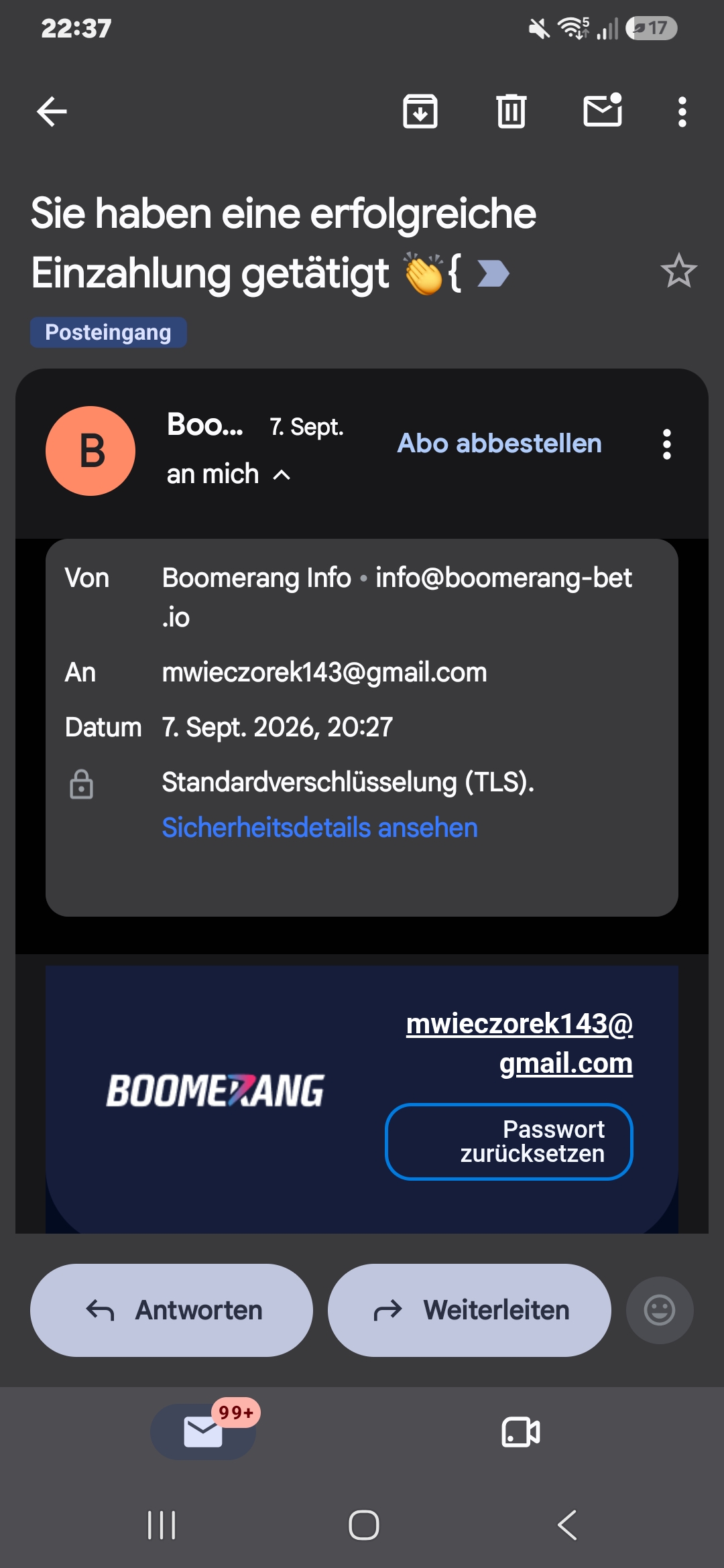
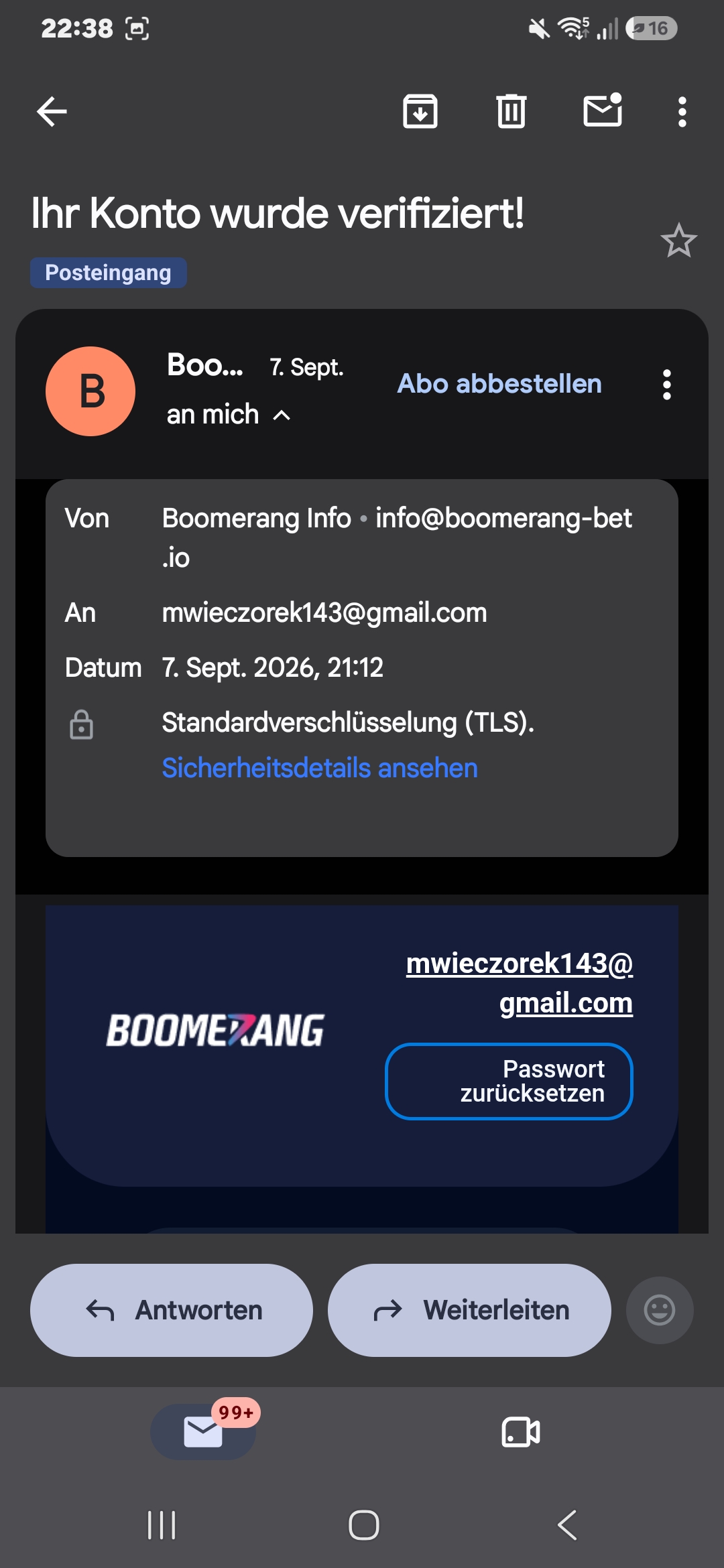
2. L'ammissione del 31 marzo: La prova più critica è la chat con Billie. Il 31 marzo, l'operatore ha confermato che stavano 'elaborando' la mia richiesta. Ciò prova che il casinò aveva letto la mia email ed era pienamente consapevole della mia dipendenza prima che effettuassi i depositi per un totale di 687 €. Scegliere di lasciare il conto aperto mentre si 'elabora' una richiesta relativa alla ludopatia è una diretta violazione del Dovere di Diligenza (Duty of Care).
3. T&C 3.8 vs Obblighi di Licenza: La clausola 3.8 (nessuna responsabilità per le perdite) si applica al gioco standard. Non può essere utilizzata per proteggere un operatore dalla negligenza nel non aver attuato i protocolli di sicurezza obbligatori. Se un giocatore dice 'sono dipendente, fermatemi' e il casinò risponde 'siamo occupati' per 8 giorni, la responsabilità delle perdite successive si sposta sull'operatore.
Vorrei chiarire un dettaglio sulla tempistica: i depositi del 31 marzo sono stati effettuati poco prima della chat con Billie. Tuttavia, questo rafforza la mia posizione.
Quando Billie ha dichiarato alle 14:58 che la mia richiesta era 'in fase di elaborazione', ha ammesso che il team interno del casinò aveva già visionato e preso in carico la mia email del 25 marzo. La negligenza risiede nel fatto che il casinò avesse la richiesta nel sistema da 6 giorni e la stesse 'elaborando', ma abbia lasciato attiva la possibilità di depositare per un ludopatico dichiarato.
In termini di Gioco Responsabile, nel momento in cui un operatore apre un'email contenente una dichiarazione di dipendenza, il conto deve essere limitato immediatamente. 'Elaborare' una richiesta di ludopatia per giorni lasciando attivo il tasto 'Deposito' è la definizione stessa di negligenza operativa.
Bedankt voor uw contact met de vertegenwoordiger van het casino. Ik moet echter respectvol mijn mening verwerpen over de interpretatie dat de termijn "zo snel mogelijk" kan worden verlengd tot 8 dagen in geval van een vastgestelde gokverslaving.
Ik wil graag dat de mediator tijdens het gesprek met de operator rekening houdt met de volgende drie specifieke punten:
1. Redelijke termijn: Hoewel de algemene voorwaarden geen exacte termijn specificeren, schrijven de industrienormen en licentievereisten (Anjouan/Responsible Gaming) voor dat een melding van verslaving onmiddellijke actie vereist. 8 dagen is niet de term "zo snel mogelijk"; het is een systemische tekortkoming.
2. De bekentenis van 31 maart: Het meest cruciale bewijsstuk is het chatgesprek met Billie. Op 31 maart bevestigde de operator dat ze mijn claim aan het "verwerken" waren. Dit bewijst dat het casino mijn e-mail had gelezen en volledig op de hoogte was van mijn verslaving voordat ik de stortingen van in totaal €687 deed. Het open laten staan van de rekening tijdens het "verwerken" van een claim met betrekking tot gokverslaving is een directe schending van de zorgplicht.
3. Algemene voorwaarden 3.8 versus licentieverplichtingen: Clausule 3.8 (geen aansprakelijkheid voor verliezen) is van toepassing op standaardspel. Deze clausule kan niet worden gebruikt om een exploitant te beschermen tegen nalatigheid bij het niet implementeren van verplichte veiligheidsprotocollen. Als een speler zegt: "Ik ben verslaafd, stop ermee", en het casino antwoordt: "We hebben het druk", dan verschuift de aansprakelijkheid voor de daaropvolgende verliezen gedurende acht dagen naar de exploitant.
Ik wil graag één detail verduidelijken met betrekking tot de timing: de stortingen van 31 maart werden kort voor het gesprek met Billie gedaan. Dit versterkt echter mijn standpunt.
Toen Billie om 14:58 uur aangaf dat mijn verzoek "in behandeling" was, gaf ze toe dat het interne team van het casino mijn e-mail van 25 maart al had bekeken en ontvangen. De nalatigheid zit hem erin dat het casino het verzoek al 6 dagen in het systeem had staan en het "in behandeling" had, maar de stortingsoptie actief liet staan voor een zelfverklaarde gokker.
Wat verantwoord gokken betreft, moet een account onmiddellijk worden geblokkeerd zodra een aanbieder een e-mail opent met een verklaring van gokverslaving. Het dagenlang "verwerken" van een claim voor gokverslaving terwijl de "Storten"-knop actief blijft, is een schoolvoorbeeld van operationele nalatigheid.
Thank you for contacting the casino representative. However, I must respectfully disagree with the interpretation that the "as soon as possible" deadline can extend to up to 8 days in the case of a declared gambling addiction.
I would like the mediator to consider these three specific points during the discussion with the operator:
1. Reasonable Timeframe: While the Terms and Conditions don't specify an exact timeframe, industry standards and licensing requirements (Anjouan/Responsible Gaming) dictate that a declaration of addiction requires urgent action. 8 days is not the term "as soon as possible"; it's a systemic failure.
2. The March 31st admission: The most critical piece of evidence is the chat with Billie. On March 31st, the operator confirmed they were "processing" my claim. This proves that the casino had read my email and was fully aware of my addiction before I made the deposits totaling €687. Choosing to leave the account open while "processing" a claim related to gambling addiction is a direct breach of the Duty of Care.
3. T&C 3.8 vs. Licensing Obligations: Clause 3.8 (no liability for losses) applies to standard play. It cannot be used to protect an operator from negligence in failing to implement mandatory safety protocols. If a player says, "I'm addicted, stop me," and the casino responds, "We're busy" for eight days, liability for subsequent losses shifts to the operator.
I'd like to clarify one detail regarding the timing: the March 31 deposits were made shortly before the chat with Billie. However, this strengthens my position.
When Billie stated at 2:58 PM that my request was "processing," she admitted that the casino's internal team had already reviewed and acknowledged my March 25th email. The negligence lies in the fact that the casino had had the request in the system for 6 days and was "processing" it, but left the deposit option active for a self-confessed gambler.
In terms of Responsible Gaming, the moment an operator opens an email containing a declaration of addiction, the account must be immediately limited. "Processing" a gambling addiction claim for days while leaving the "Deposit" button active is the very definition of operational negligence.



 Vertaling